Patients
Home visits with heart failure patients, ages 62 to 89. Their kitchens. Their pillboxes. Their fears.
Three projects. Three populations the market consistently underserves. A heart failure patient managing a condition alone at home. An elderly patient who cannot reach a clinic. A consumer who simply wants to understand what they are buying. The work here started with listening, and ended with something real. The main case study is Cora, home monitoring for heart failure patients, five weeks with Region Västerbotten.
Healthcare is the domain where the gap between good design and bad design is most consequential. A confusing interface doesn't just frustrate it delays diagnosis, causes missed doses, or leaves someone in the dark about their own body. That consequence is what drove how I worked across all three projects: grounded in real people, built through real co-design, validated in real contexts.
These weren't concepts made for a portfolio. They were thesis-level research projects with field components, co-design sessions, and working prototypes. The kind of work that takes months and requires you to sit in someone's kitchen, not their browser session.
Three Projects Healthcare & Accessibility
Role: UX & Industrial Design · Co-developed with clinicians
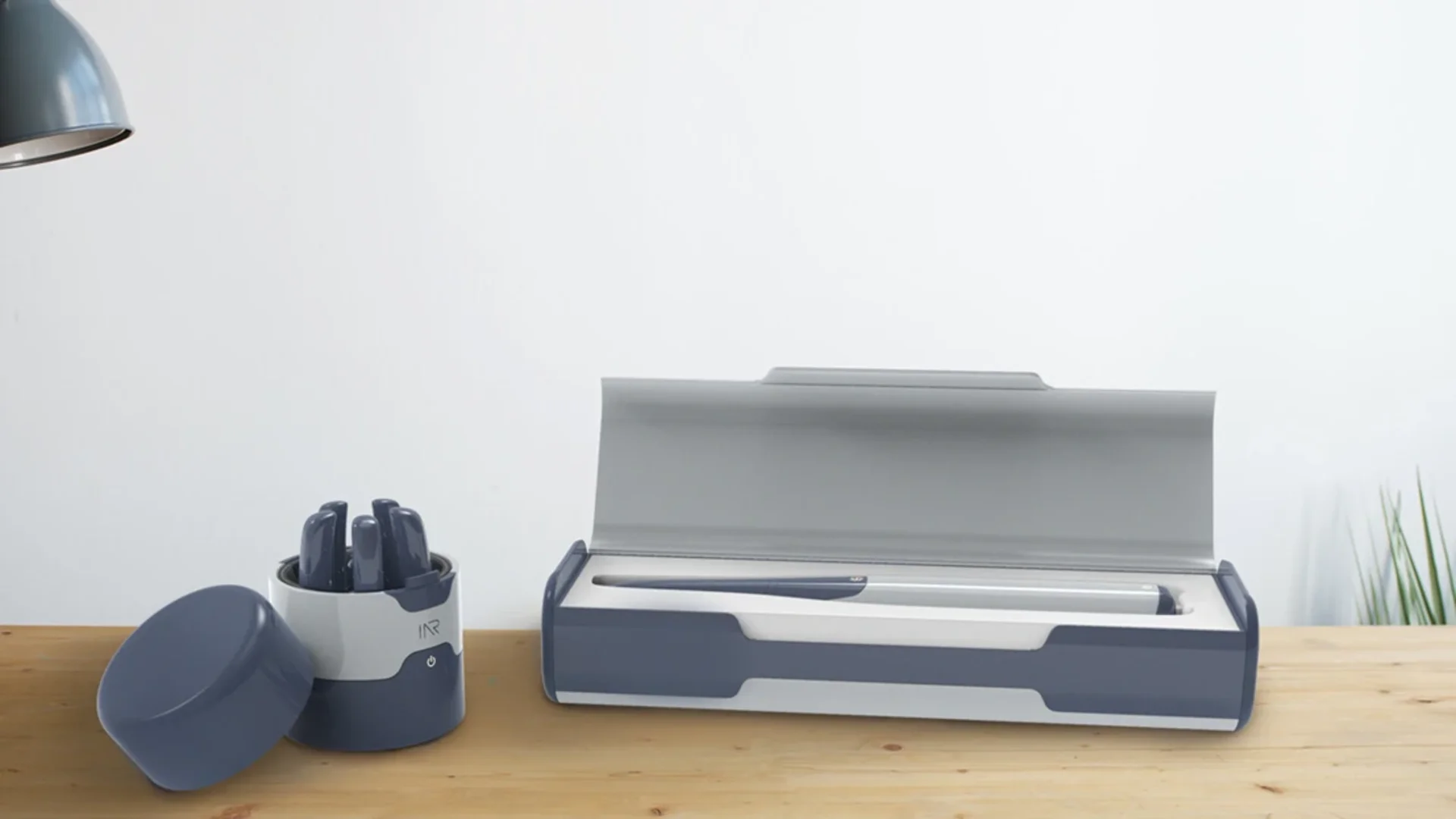
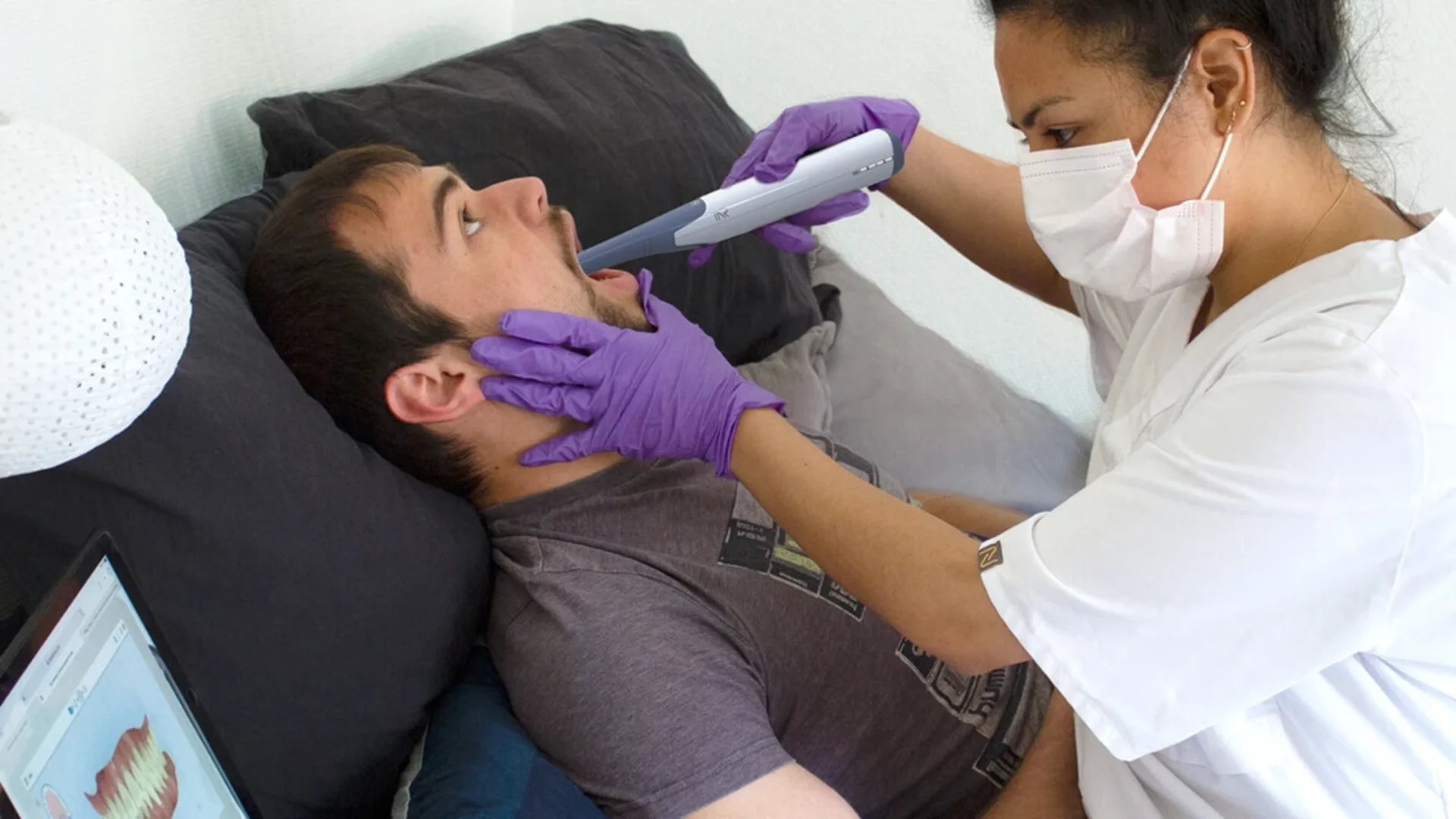
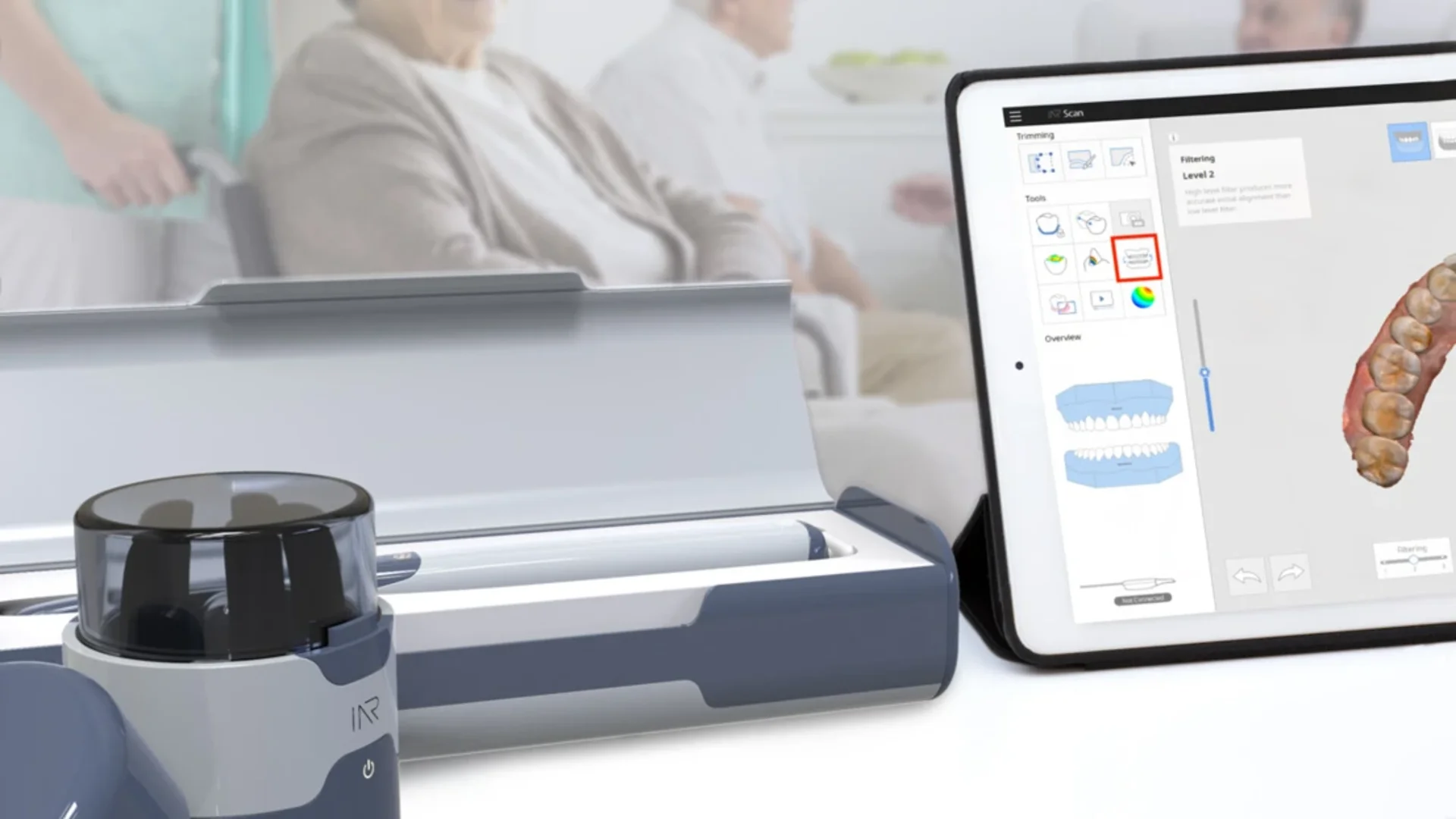
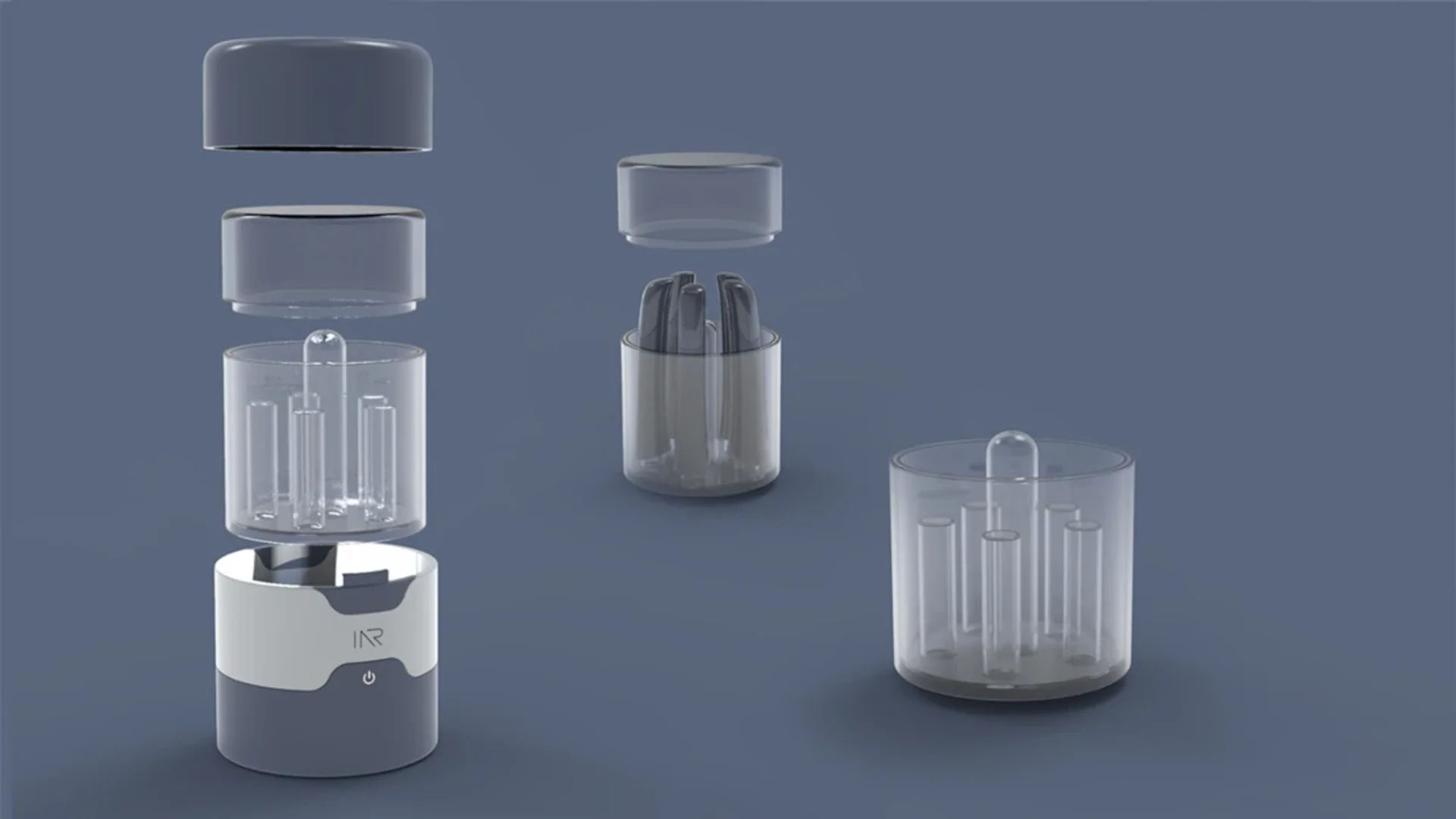
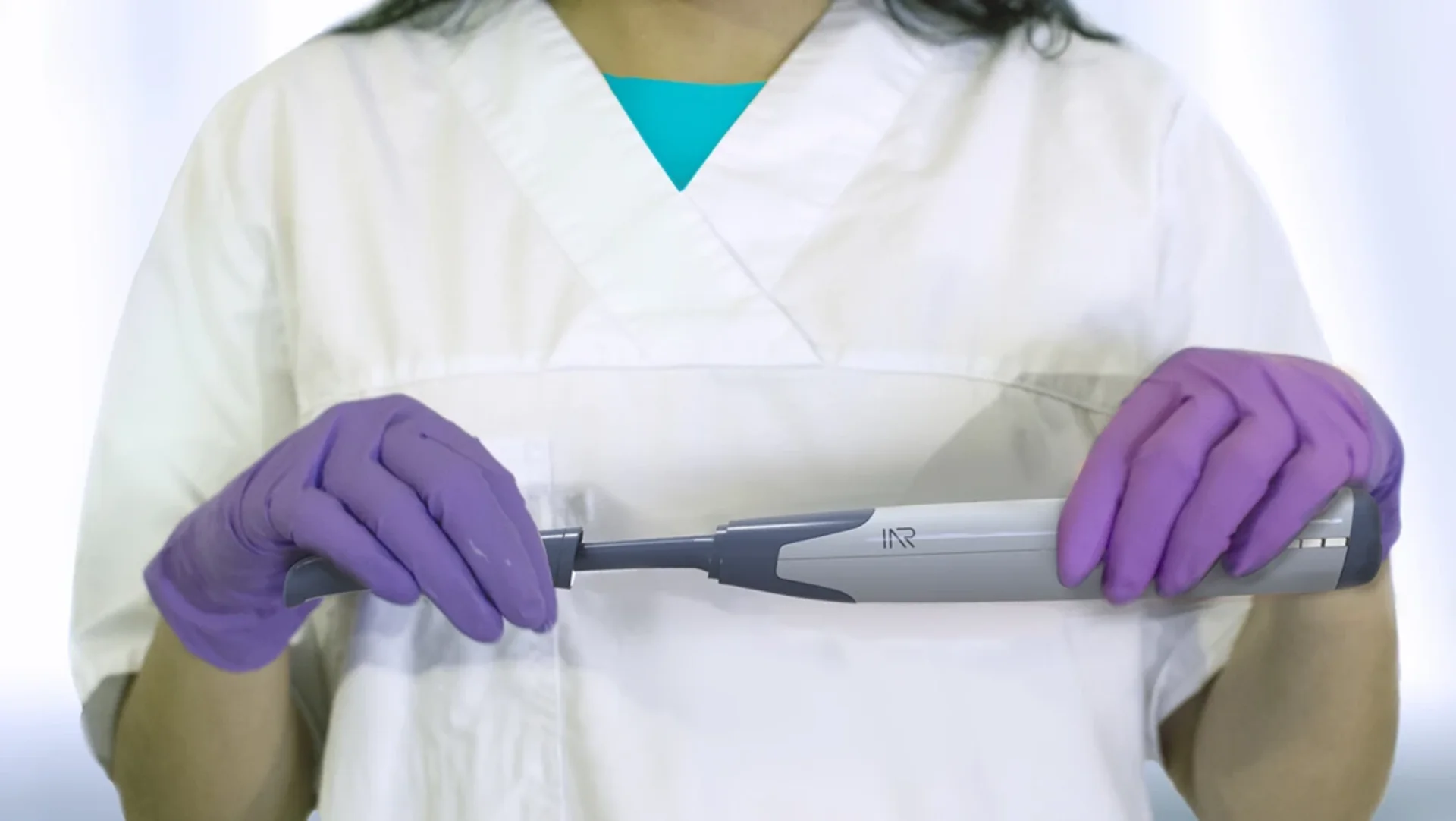
Elderly patients who can't travel to a dental clinic still need diagnosis. The current answer don't go isn't a solution. This project set out to design a portable dental scanning kit that could be brought to the patient: to care homes, to living rooms, to wherever the patient actually is.
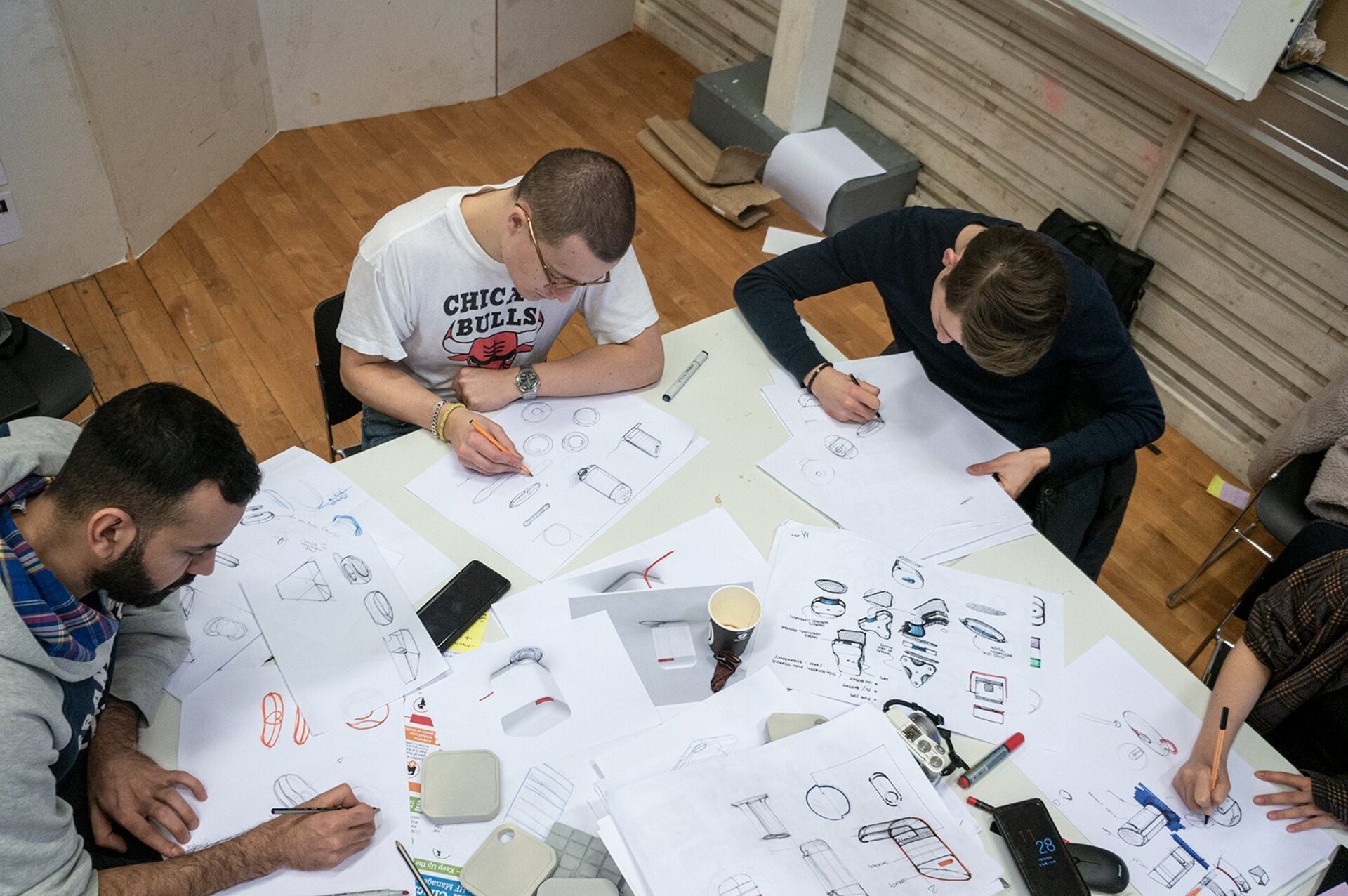
The design process was built around dental clinicians from the start. Not as consultants as co-designers. Understanding what they needed to trust a portable tool, what information had to be immediately legible at a distance, and what couldn't be compromised from a clinical workflow perspective shaped every decision.
The result cut a standard diagnostic workflow from 30 minutes to 3. Not by removing steps by removing friction that was never clinically necessary to begin with.
Research NDA Detailed clinical process data and device schematics are protected. Visual work and process available on request.
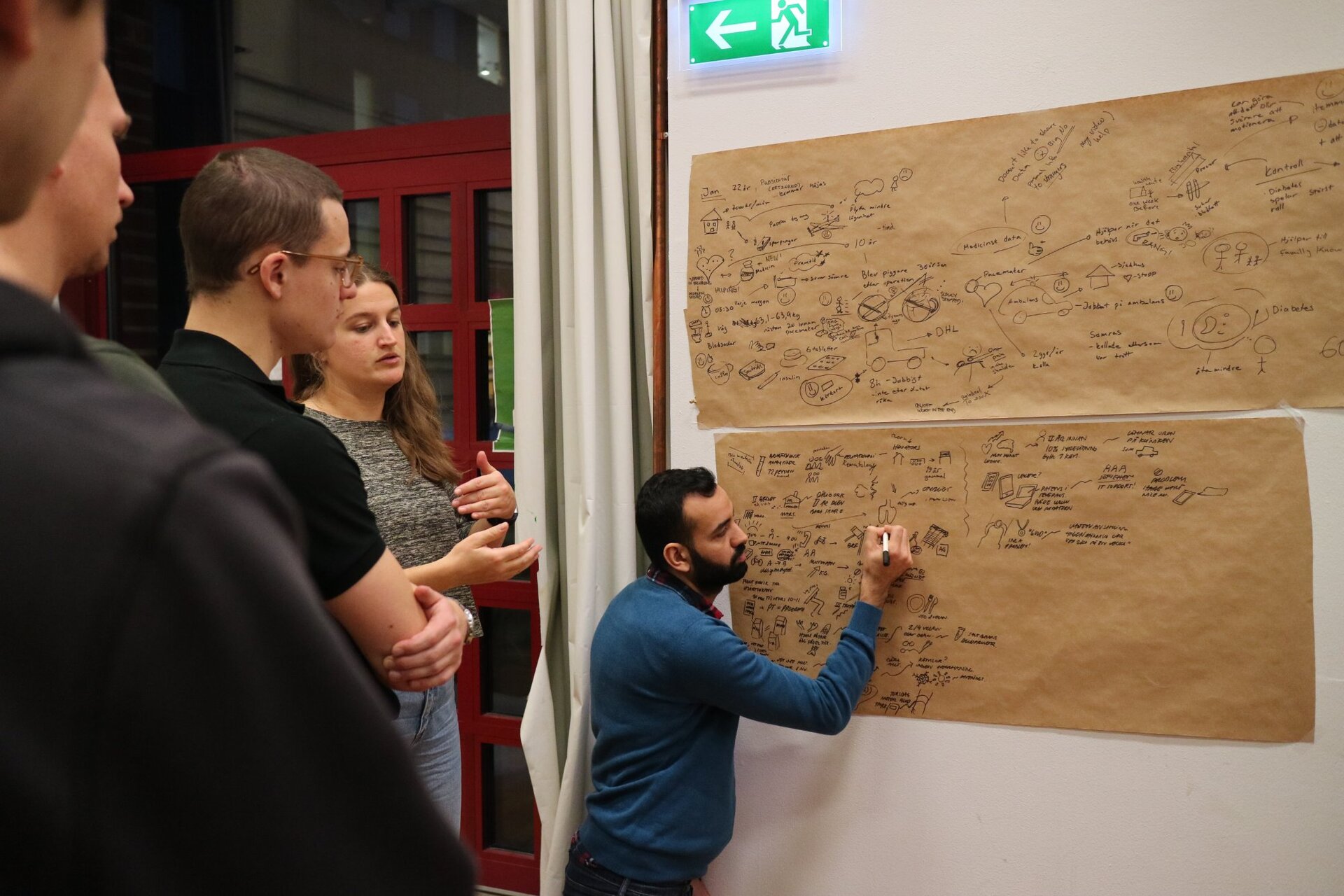
Role: Lead designer in Hot Team · With Region Västerbotten · 5 weeks · 2019
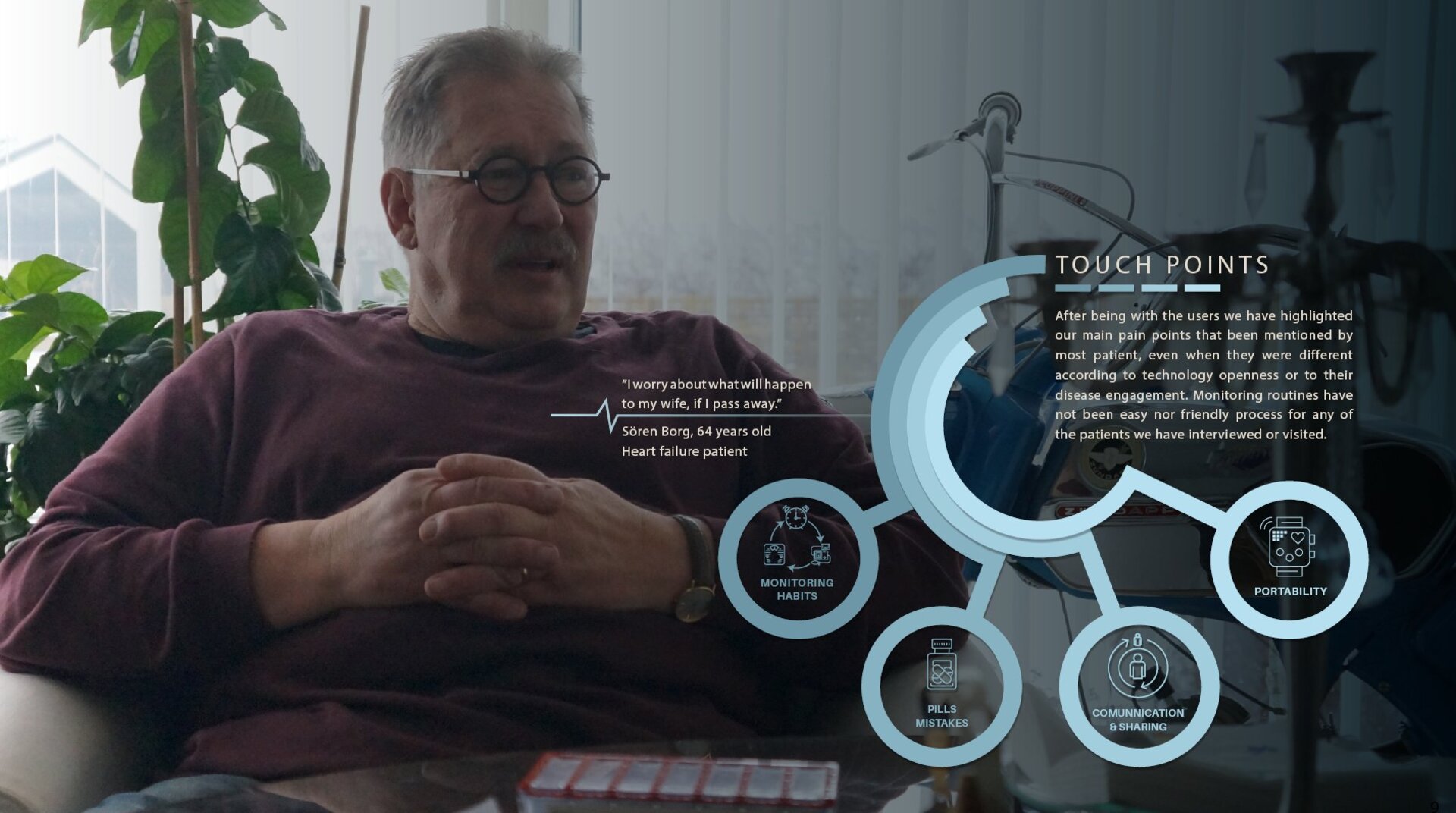
Heart failure patients are often discharged with a condition that requires ongoing, daily self-management. And then largely left alone with it. The gap between what the clinic assumes a patient understands and what they actually experience at home is significant, and dangerous.
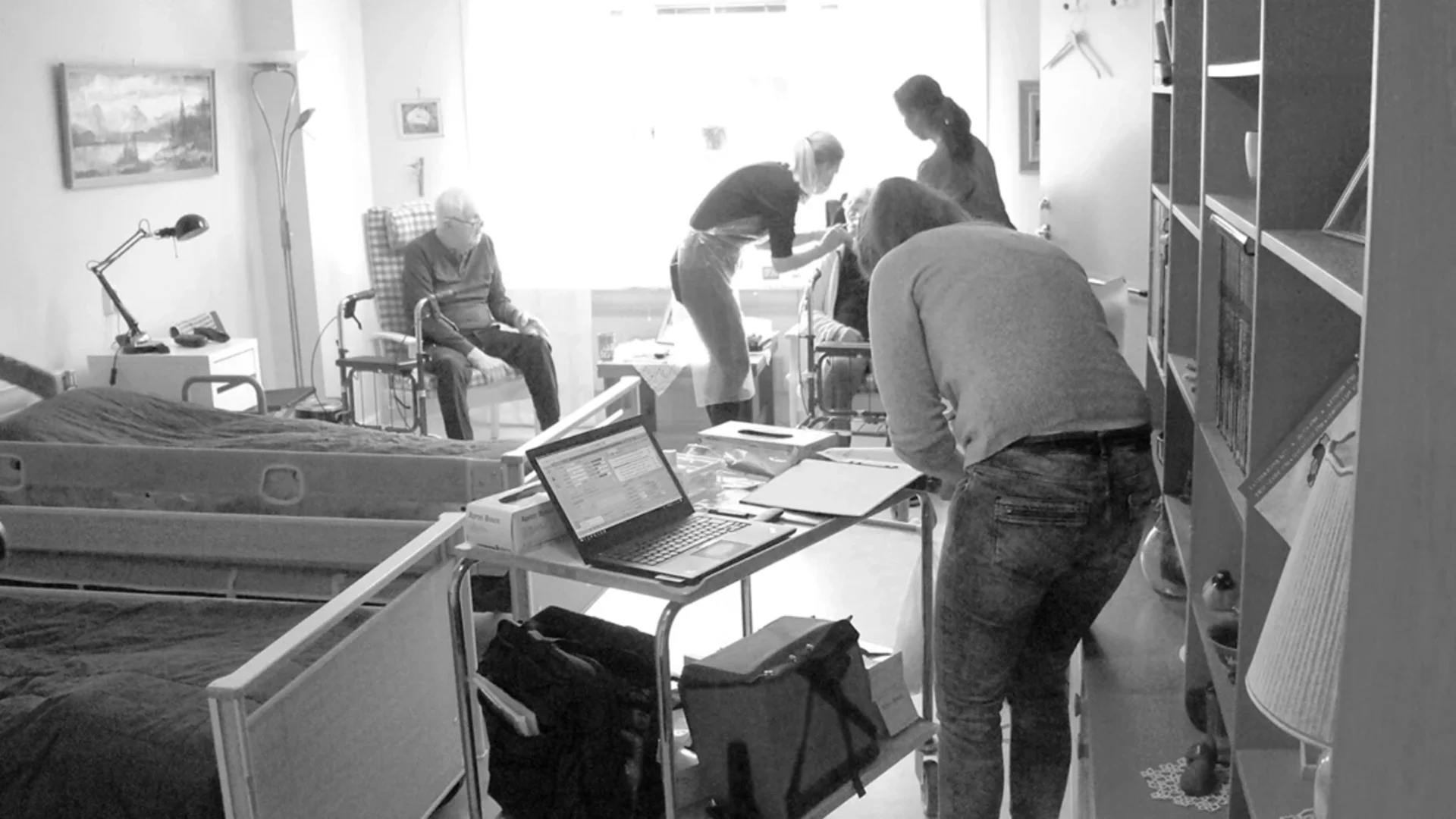
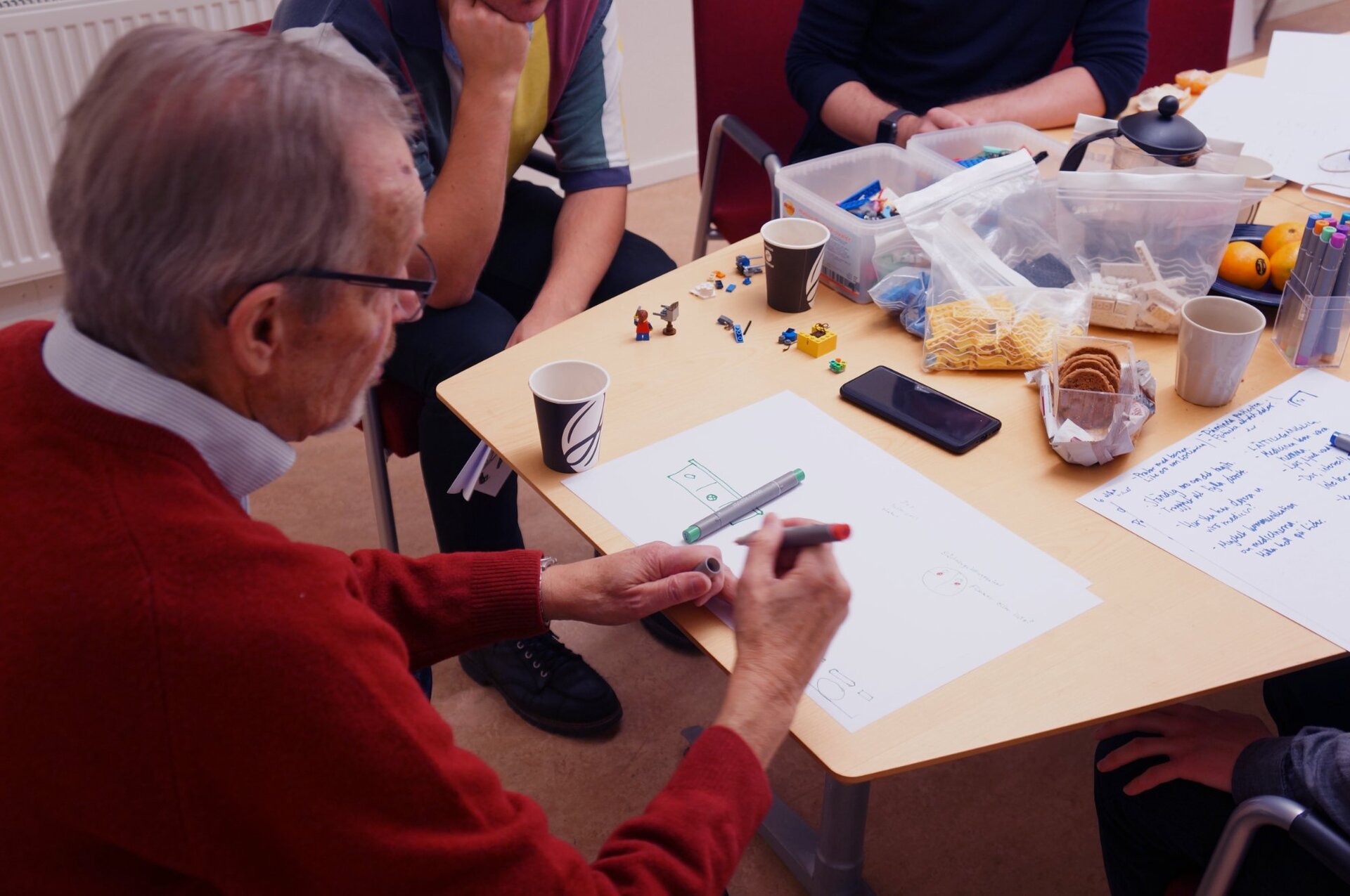
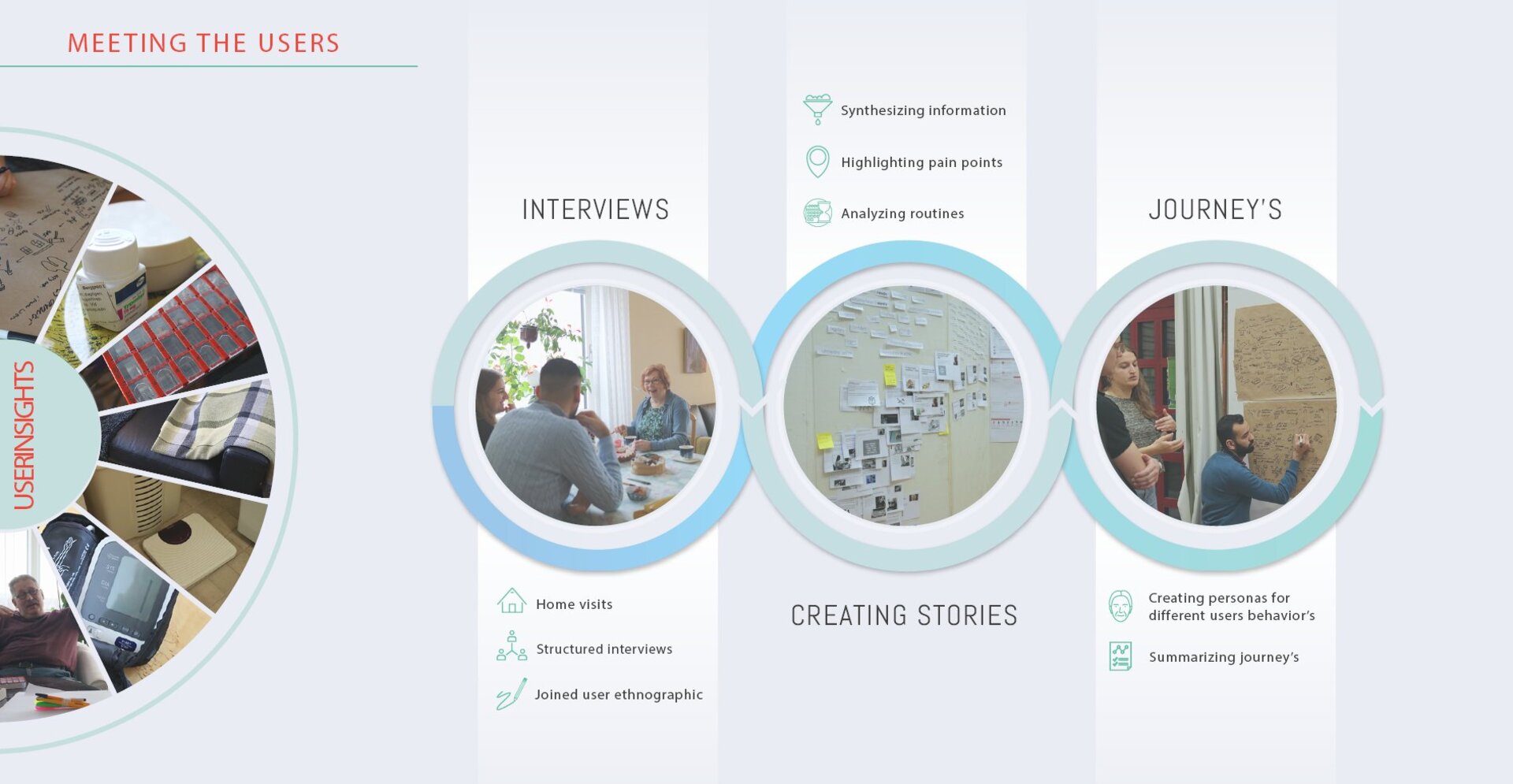
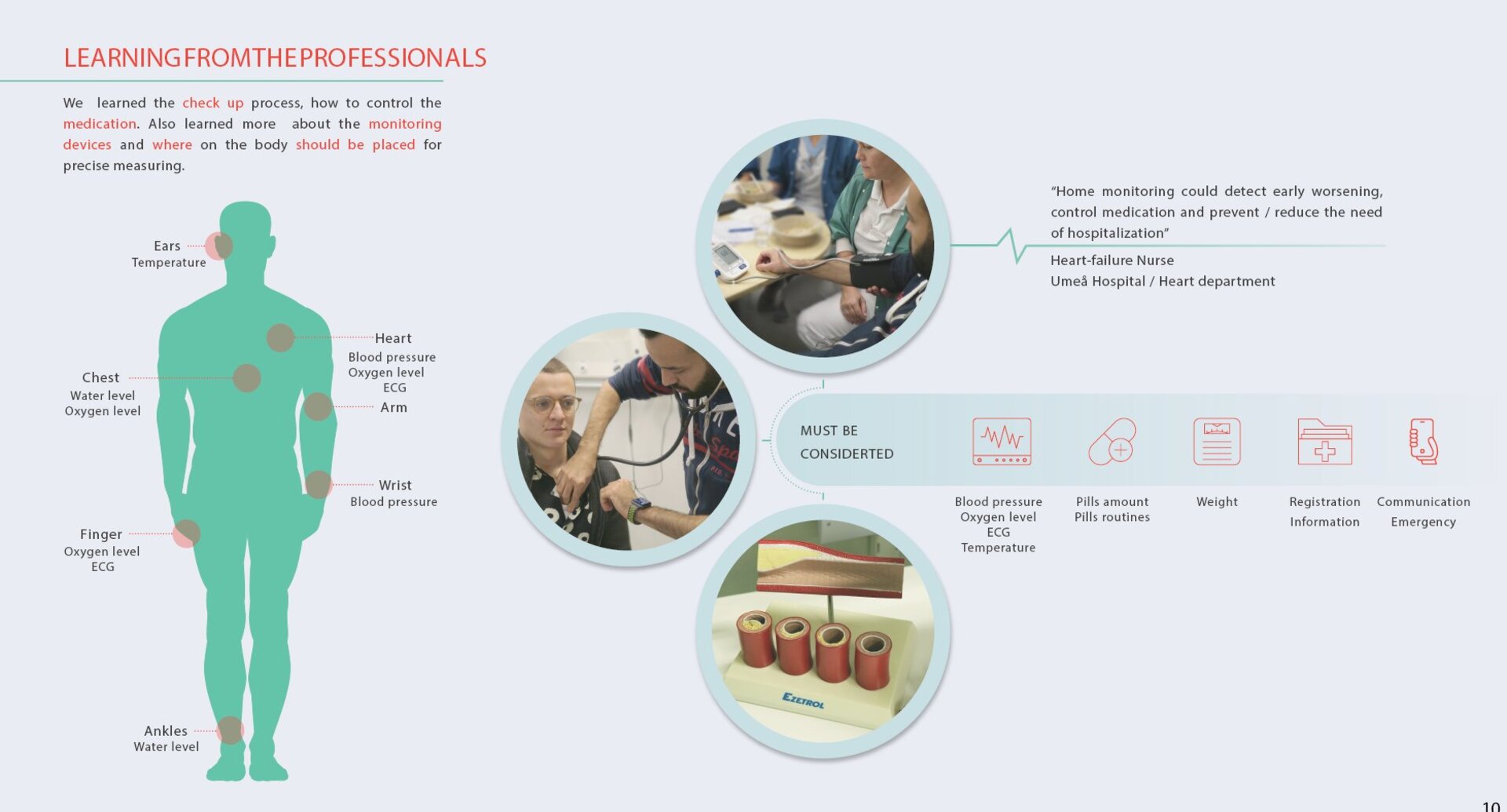
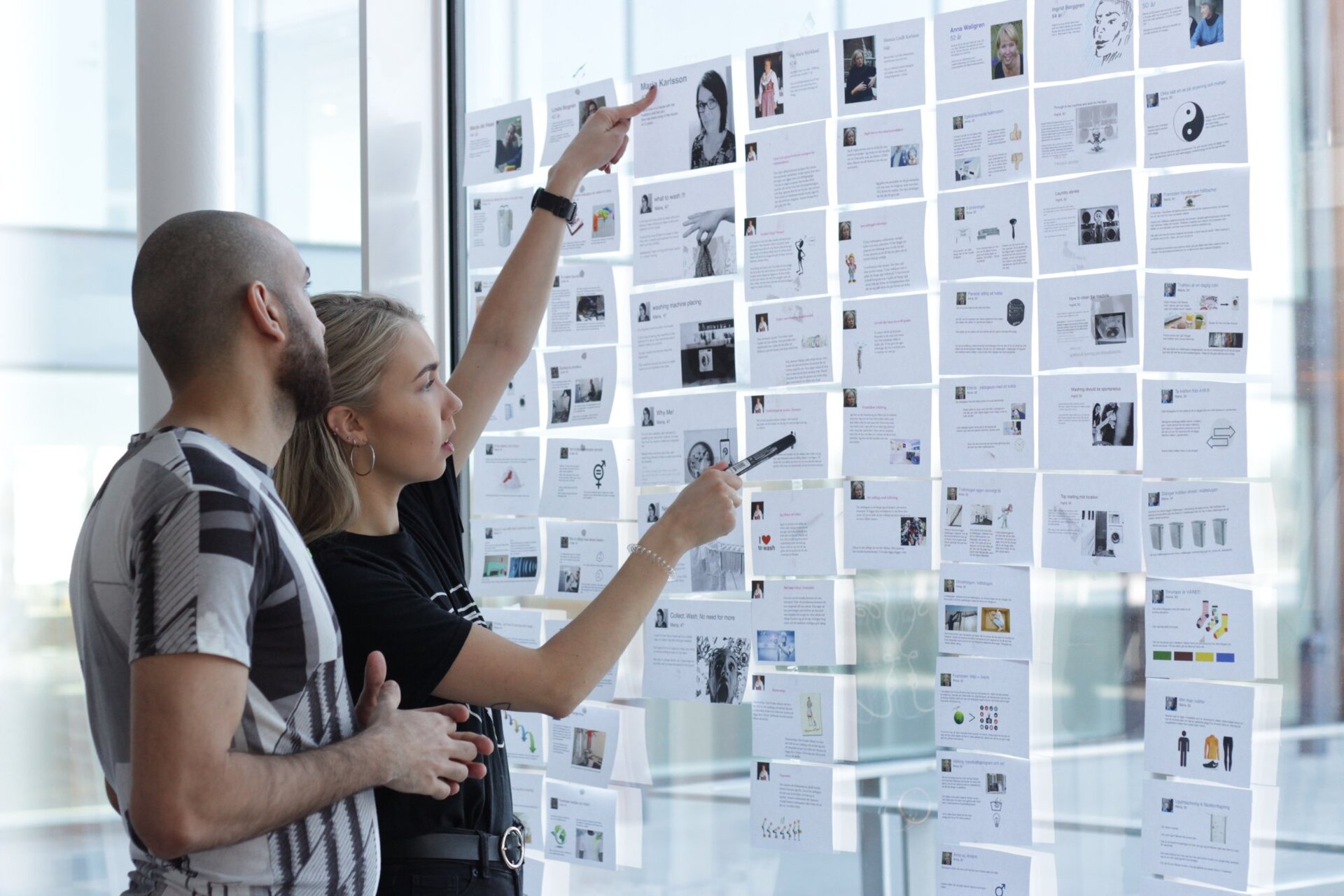
We built this project through home visits. Not interviews. Visits. Sitting with patients in their kitchens, watching how they interacted with their monitoring routines, understanding what was confusing, what was missed, what was ignored because it felt irrelevant or overwhelming.
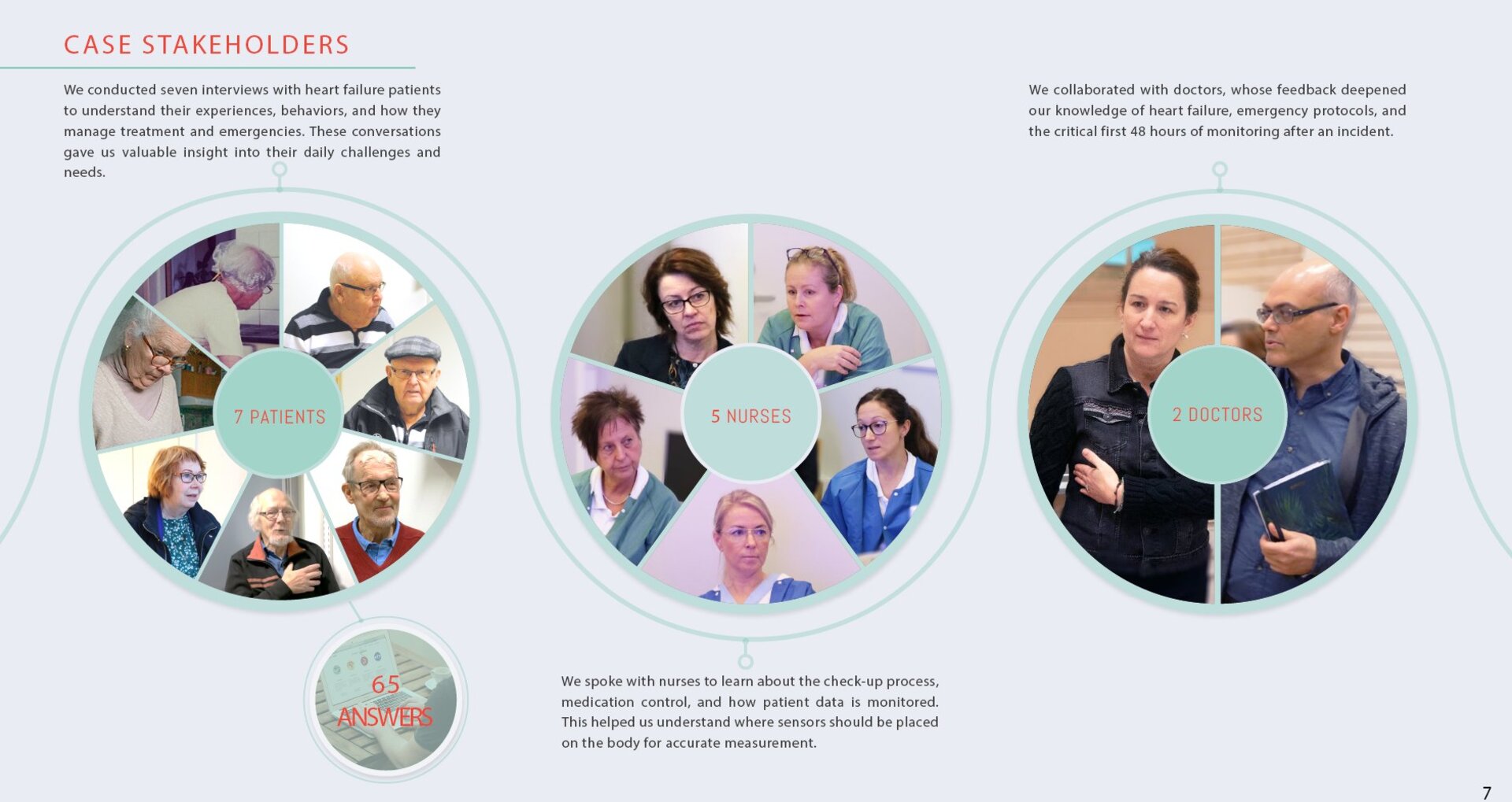
Case stakeholders
Patients
Home visits with heart failure patients, ages 62 to 89. Their kitchens. Their pillboxes. Their fears.
Nurses
Shift interviews on the heart ward. Check-up rhythms, medication routines, where the monitoring devices actually sit on the body.
Doctors
Consultants at Umeå Hospital. The emergency process. The urgent care process. The first forty-eight hours after monitoring starts.
Answers surfaced
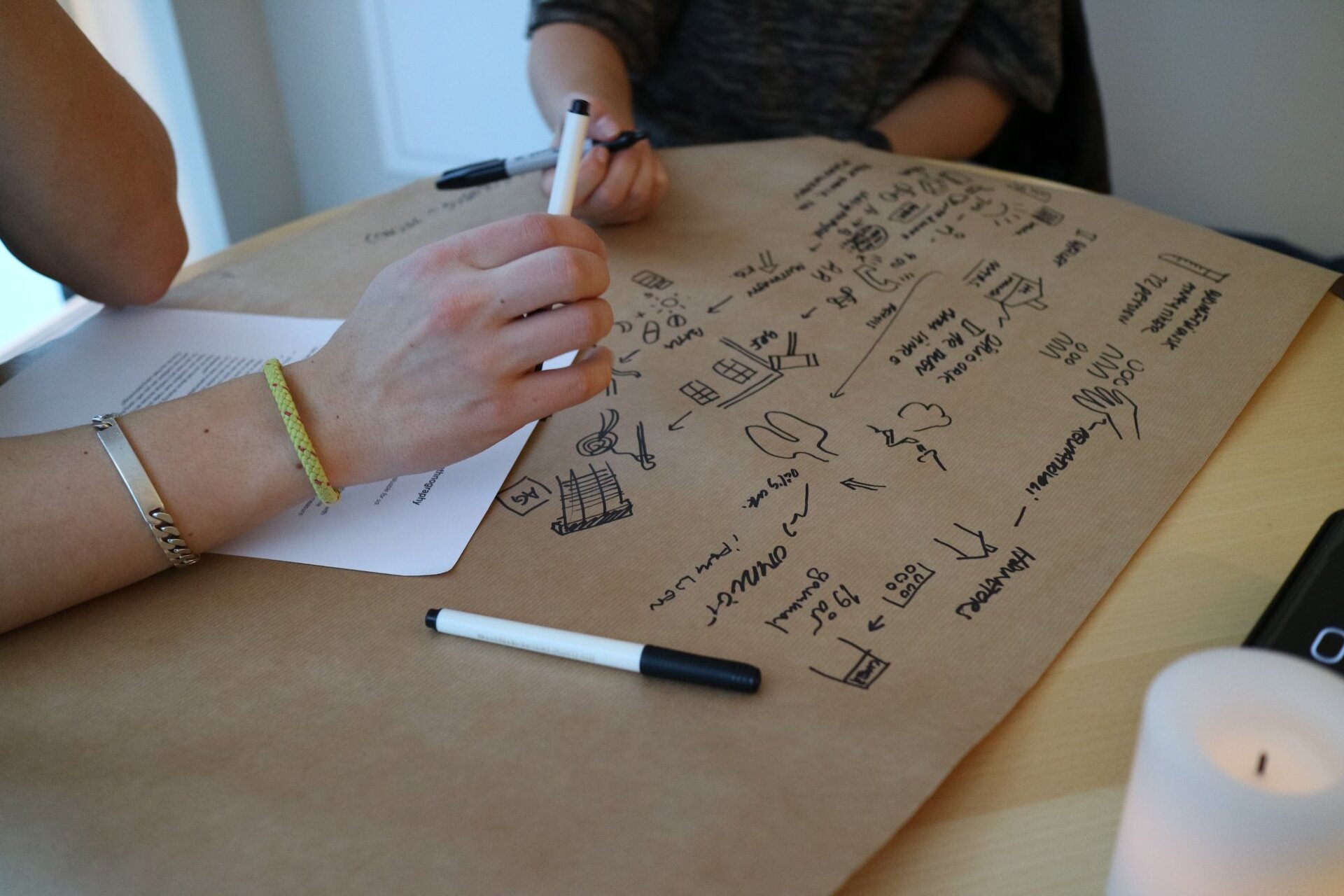
Across three stakeholder groups, one shared picture of the day of a heart failure patient.
"Home monitoring could detect early worsening, control medication and reduce the need of hospitalisation." Heart failure nurse, Umeå Hospital.
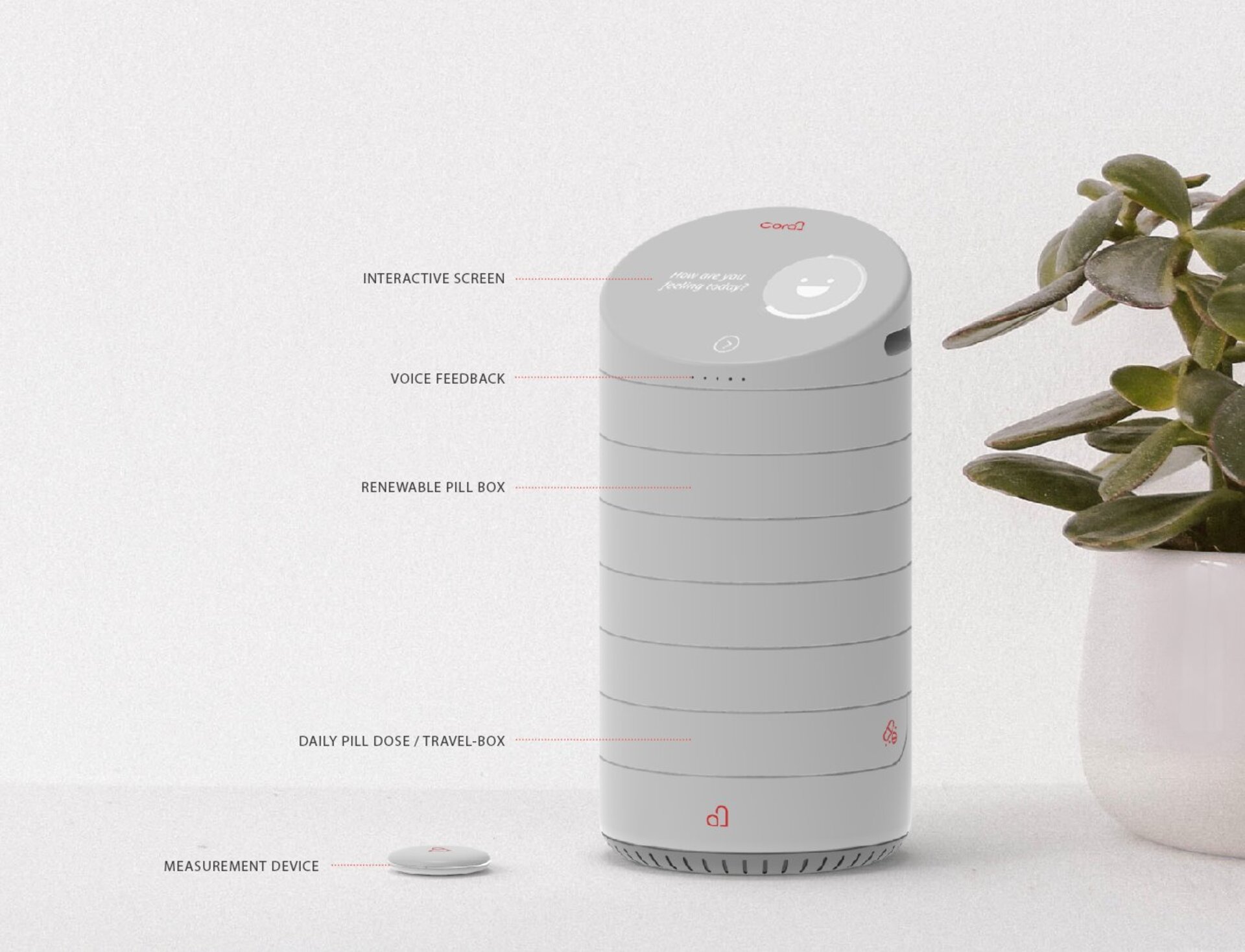
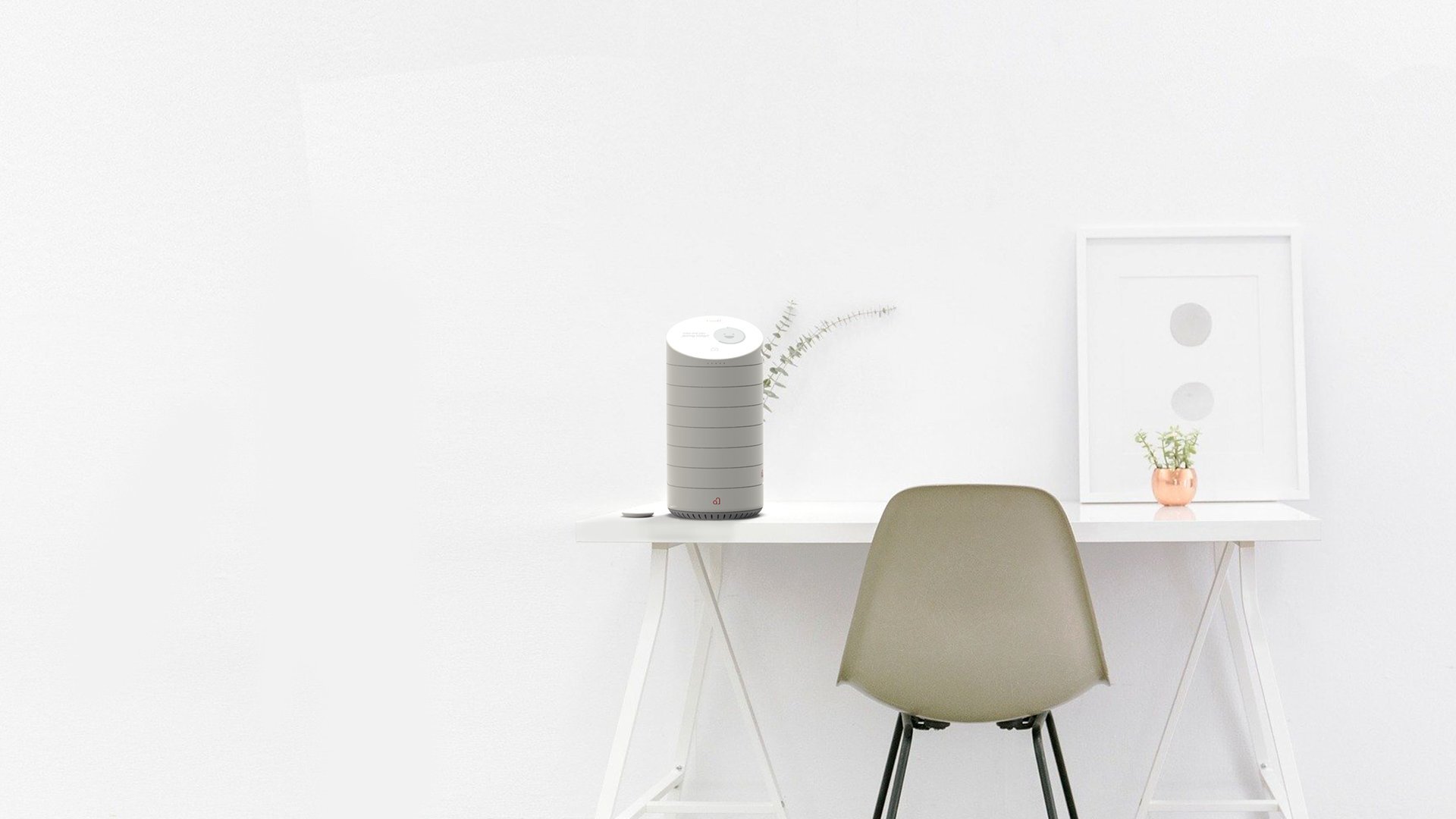
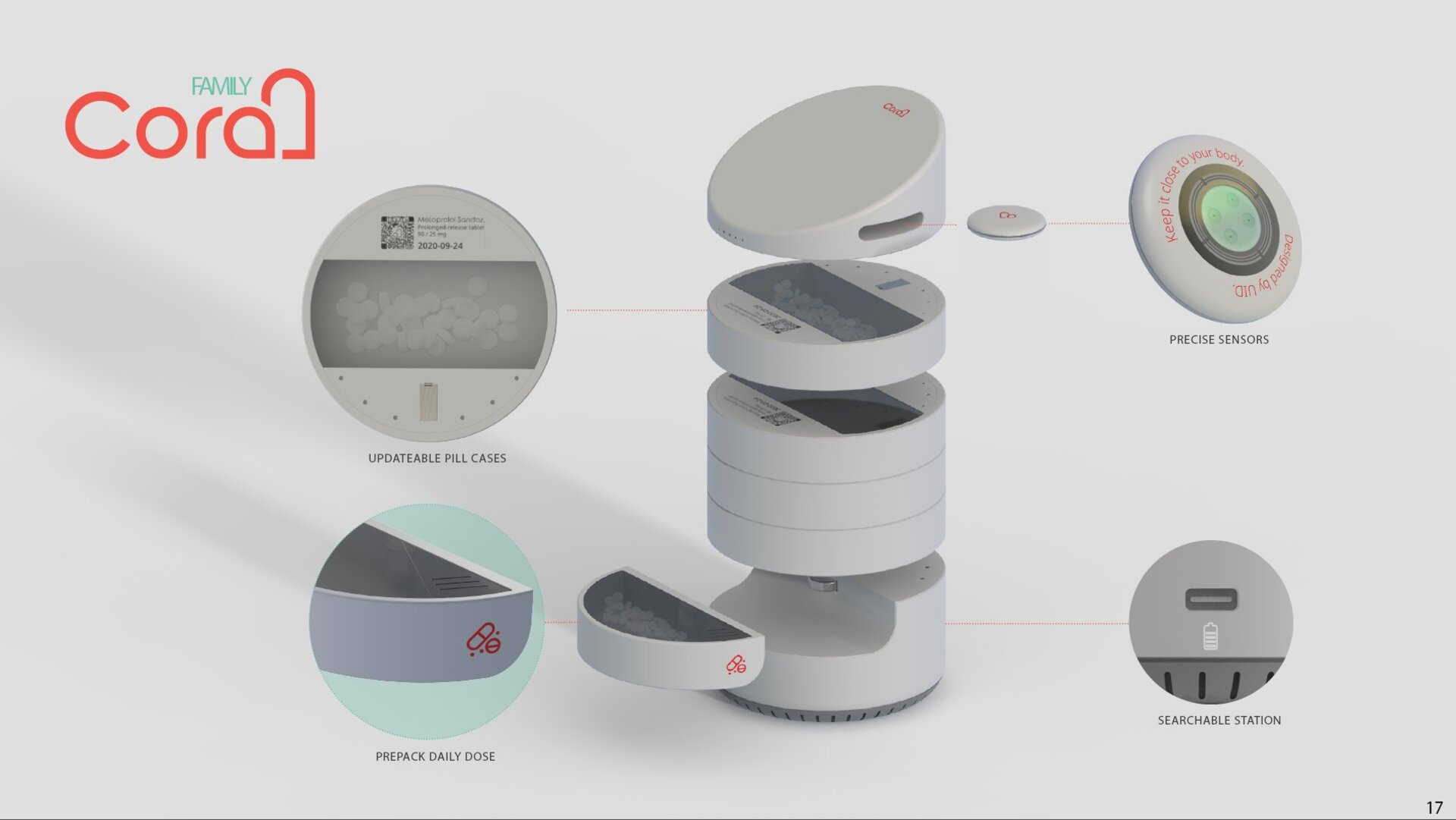
The output was a home monitoring system designed around the patient's actual cognitive and emotional state. Not the clinical ideal of an engaged, informed, compliant patient. Because that patient rarely exists in the wild.
Role: UX Researcher · Interaction Designer
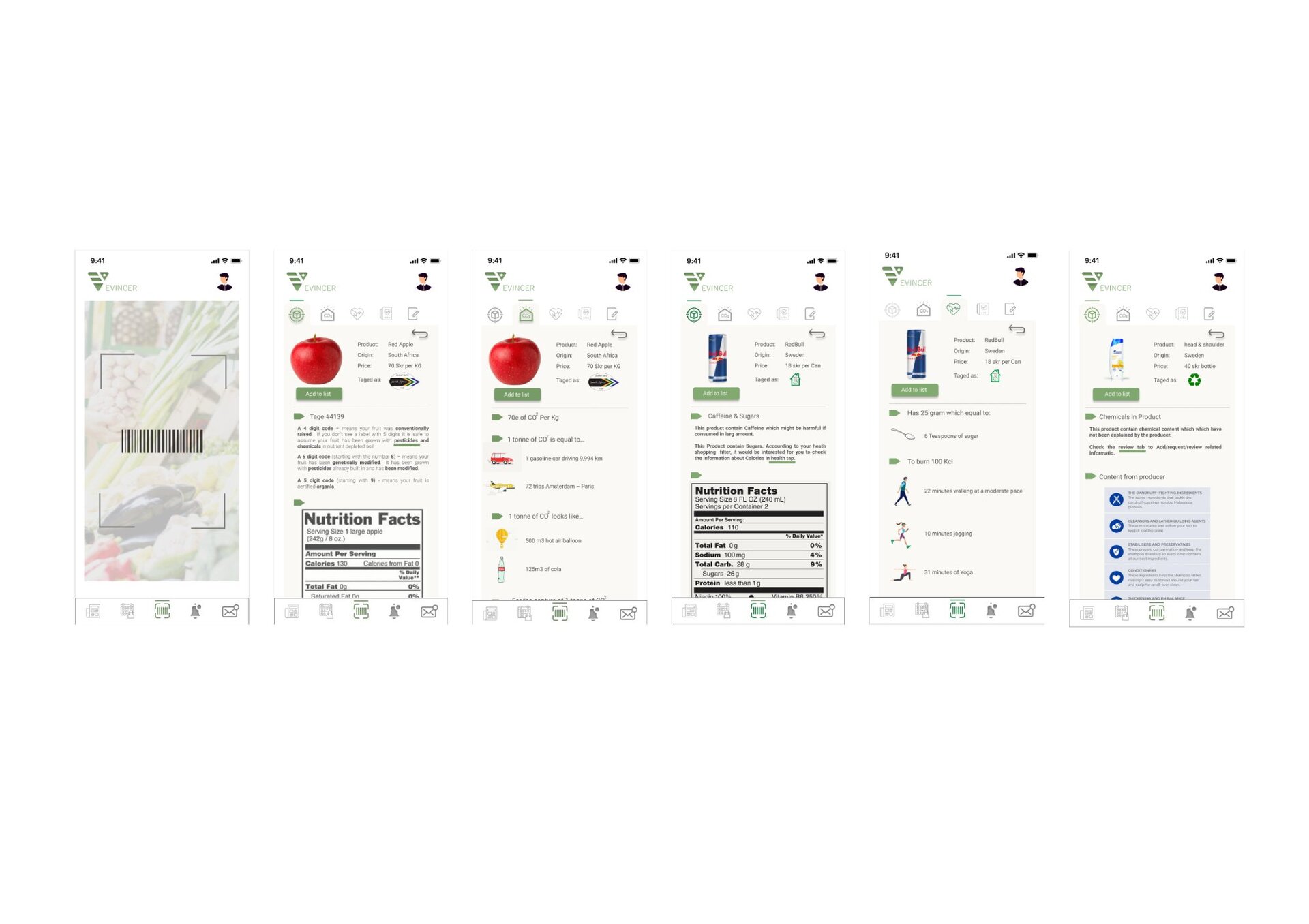
People want to know what they're actually buying not just a nutrient label, but what an ingredient is, where it came from, whether it aligns with a health concern they actually have. The existing tools for this are either too technical, too incomplete, or too much effort for a person standing in a supermarket aisle with three minutes to decide.
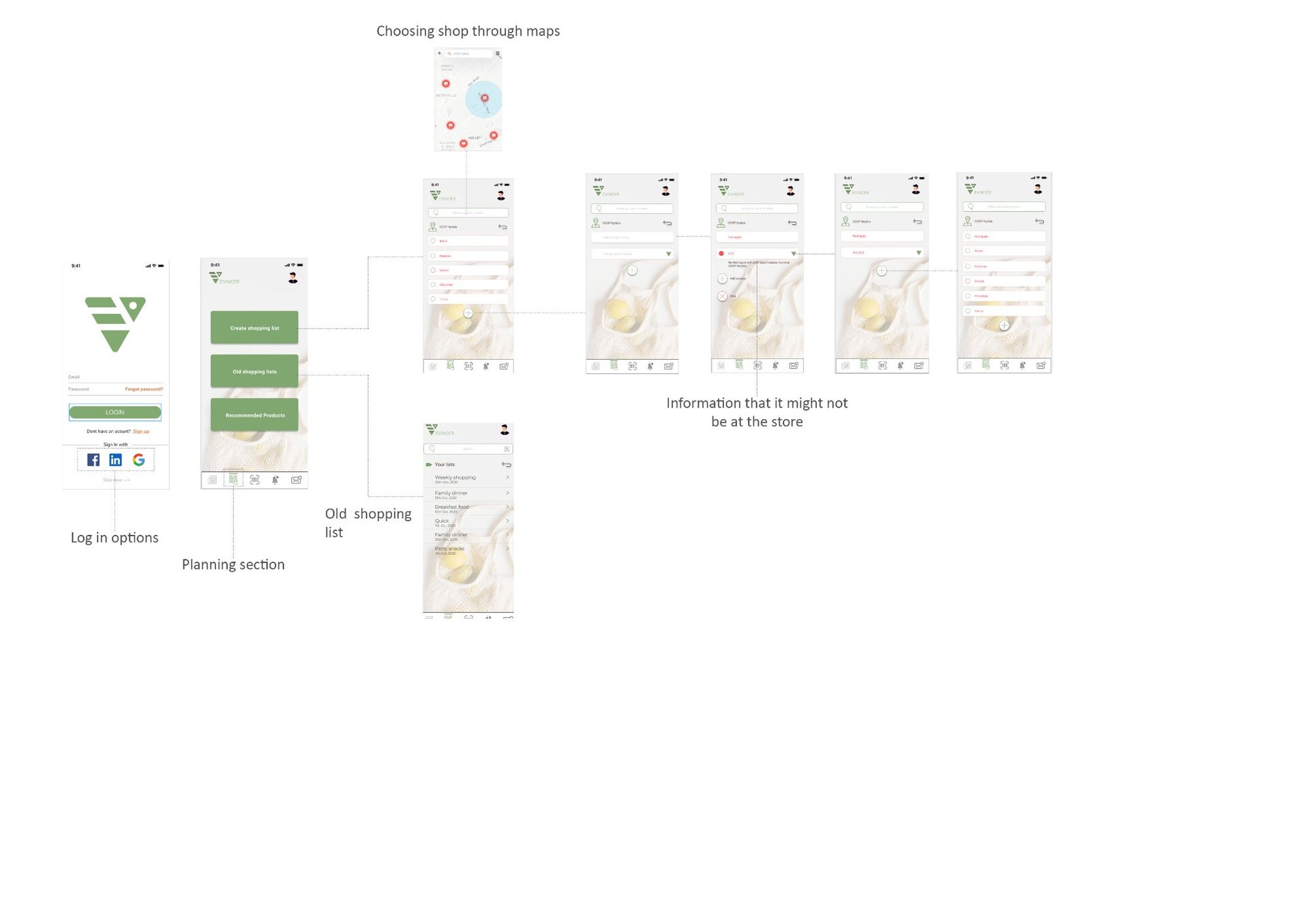
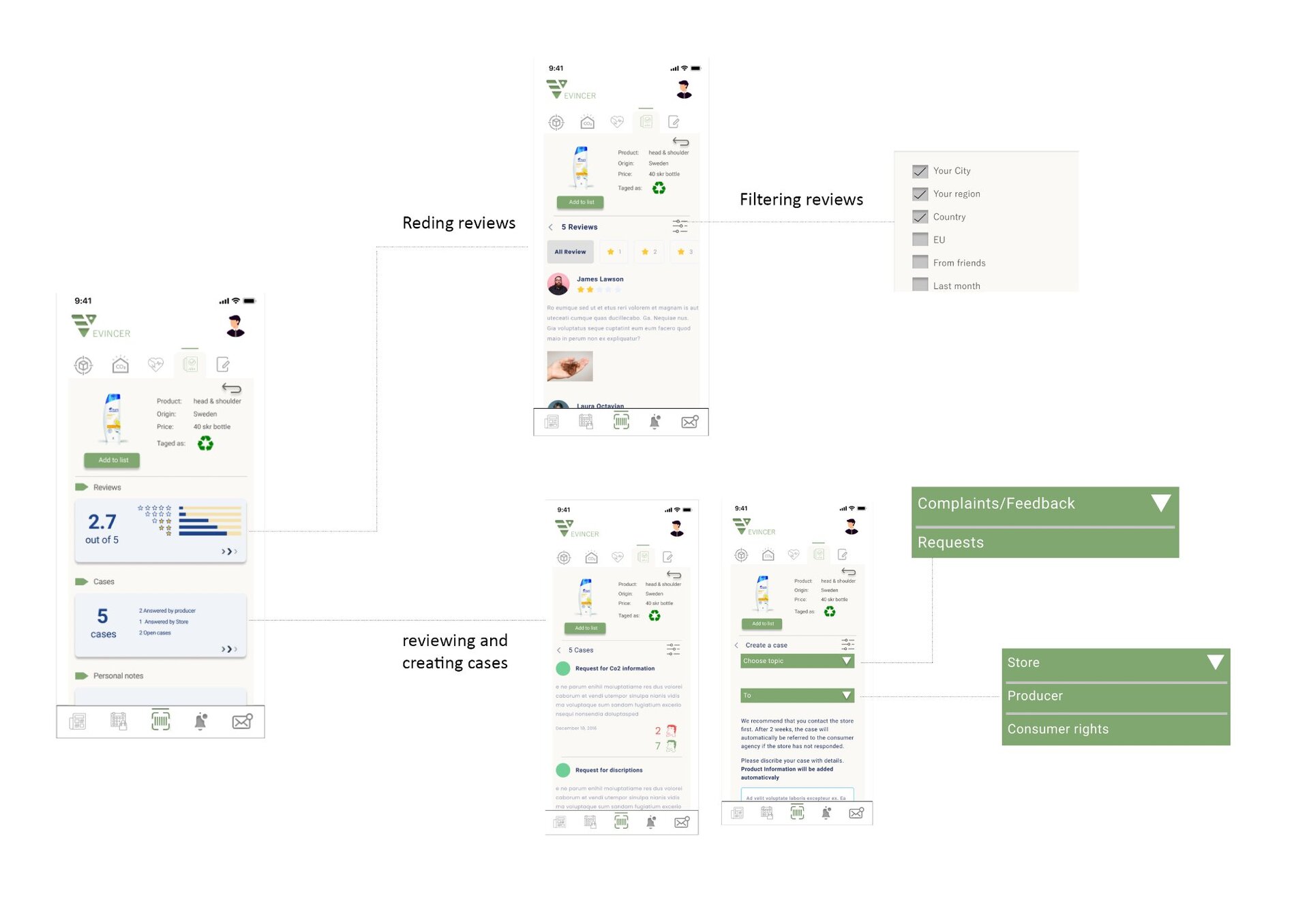
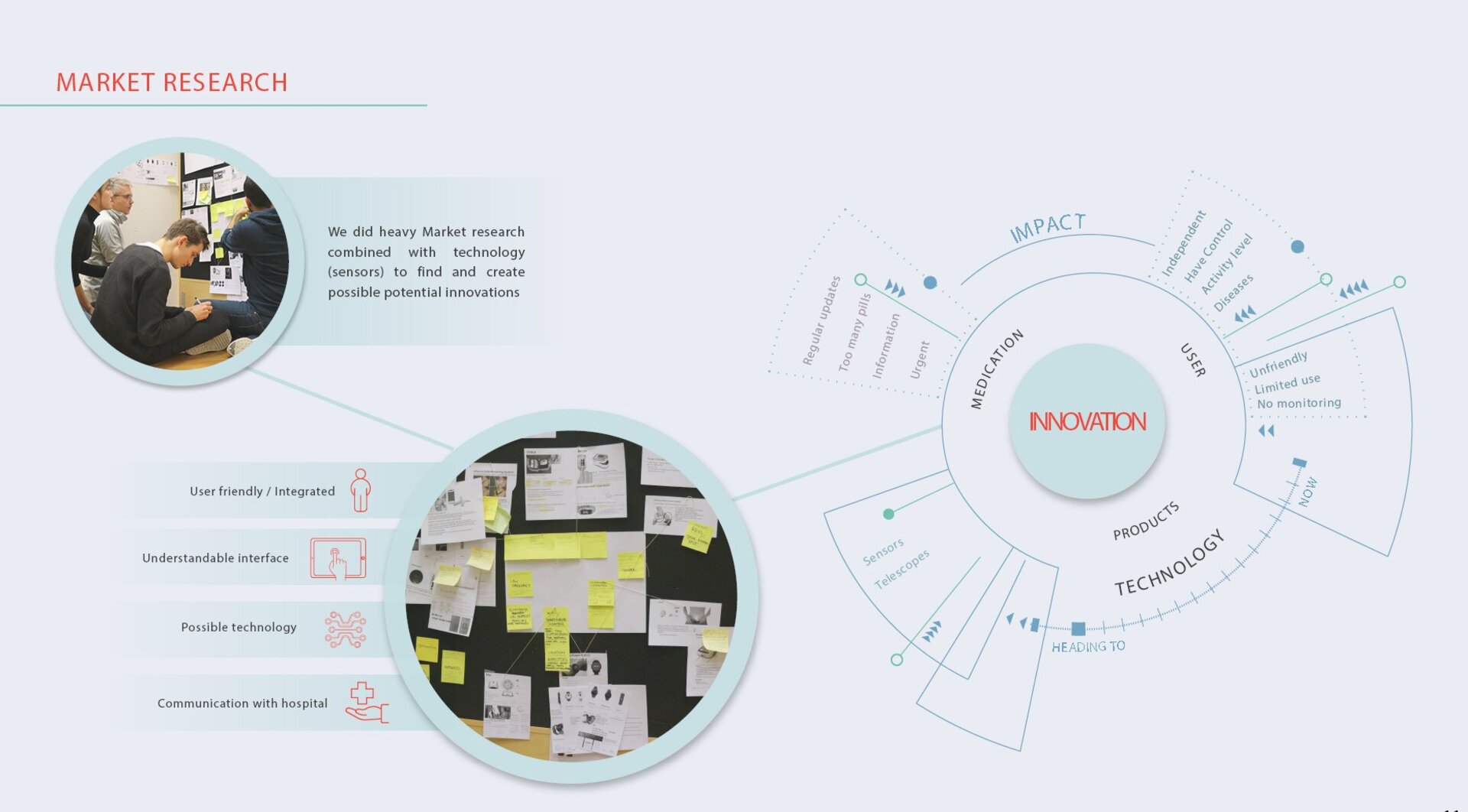
This project was one of the most research-intensive I've run: 9 co-design workshops and a 57-person field study across different demographics, eating patterns, and levels of health literacy. The brief was to understand the transparency gap what people actually want to know versus what they're currently able to find out and to design a tool that closes it in a moment of real purchase intent.
The result was an app concept grounded not in "here is the data" but in "here is the answer to the question you actually have." The distinction sounds small. The design difference is significant.
"The people who need good design the most are often the ones the market designs for last."
Mohammed Aldulaymi MedTech & Healthcare, 2019–2021These three projects aren't a detour from the rest of my work they're the foundation of how I think about design. The constraint of healthcare where users are often stressed, vulnerable, or operating with diminished capacity is the sharpest test of whether a design actually works.
Designing for someone who is elderly, anxious, or in physical discomfort requires a kind of clarity and restraint that improves everything you build afterward. If you can make it simple for a heart failure patient managing symptoms at home, you can make it simple for anyone.
If healthcare or accessibility is in your brief, I'm the right person to talk to. Not because I've read the literature because I've been in the room.
NDA note: Detailed clinical data, device schematics, and proprietary research findings are protected. Visual work, process documentation, and outcomes are available for serious enquiries.